GENERAL
KINEMATICS
FOUNDRY
EQUIPMENT
SPOTLIGHT
Learn more
General Kinematics is a world leader of innovation and production for Foundry and metalcasting systems and equipment. Top foundries around the world have trusted GK to improve their systems. Explore the GK Foundry Equipment Universe below. Hear from North American Foundry Director, Rick Kempf, read case studies, watch videos, and more.


North American Foundry Director | Rick Kempf
Rick started at General Kinematics in 1994 as a design engineer, later moving to the sales department and becoming North American Sales Manager. Rick holds five patents from his time with General Kinematics including a patent he shares with General Kinematics’ President, Tom Musschoot. Rick was appointed to lead General Kinematics North America Foundry Department in 2019 due to his extensive technical knowledge of foundry equipment and experience in all departments of the foundry.
Have a question about GK Foundry Equipment? Ask Rick!
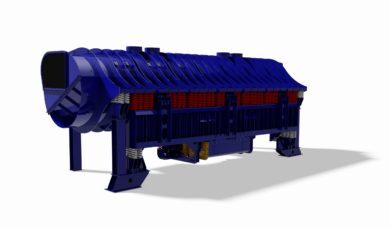
VIBRA-DRUM® Sand & Casting Conditioner
Discover the benefits of General Kinematics’ 3-in-1 foundry solution.
General Kinematics and Waupaca Foundry
Case Studies, News and More
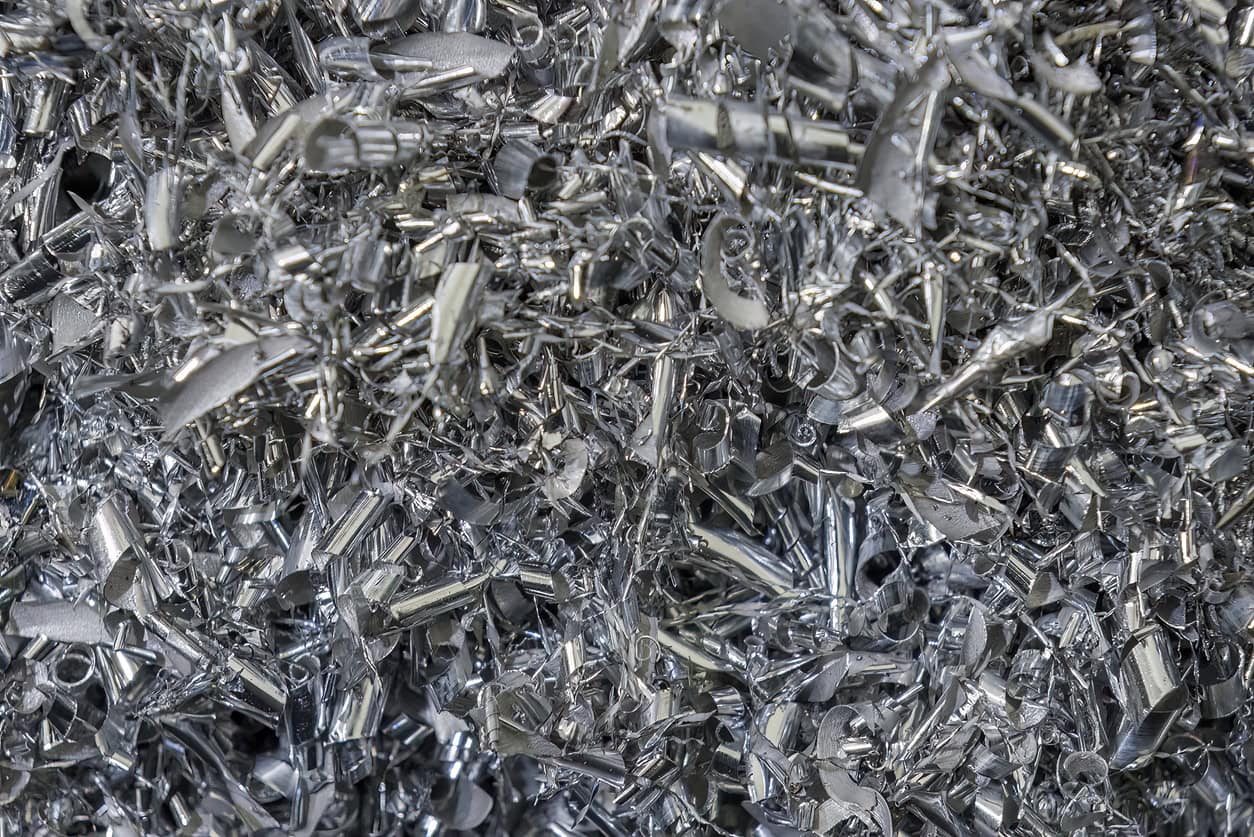
Maximizing Melt Yields in Nonferrous Scrap Recycling
Are you getting the highest possible returns on your nonferrous scrap packages? In nonferrous metal recycling operations, the gross weight you load into a box rarely matches the pay weight you get from the consumer. Contaminants such as dirt, fine debris, and coatings add volume to your scrap shipments but offer zero value to mills—and […]
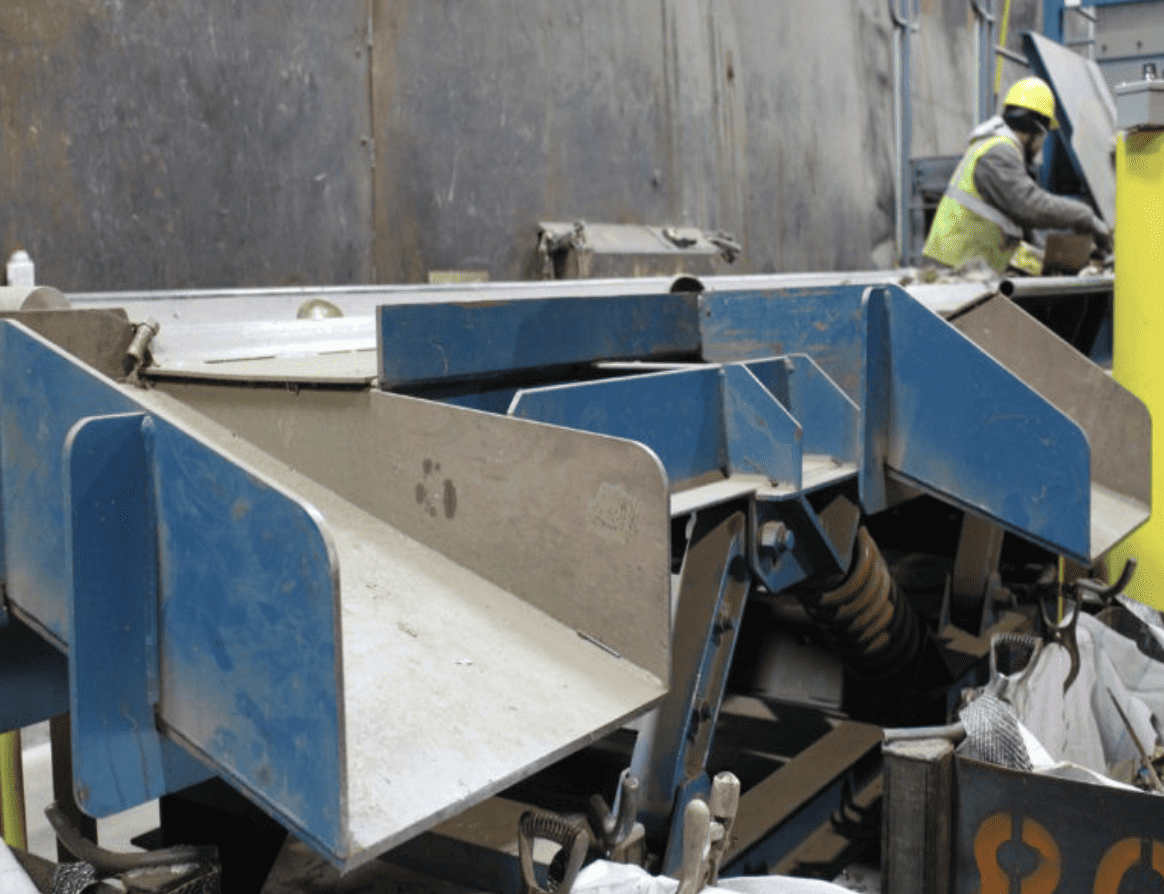
Metal Recycling Technology: Sustainability in Industrial Processes
Why Recycling Technology Matters Now More Than Ever The global demand for metals is on the rise, with industries like automotive, electronics, and construction driving the need for more raw materials. However, the availability of these metals is finite, and the environmental costs associated with traditional mining are steep. This presents a critical challenge for […]

The Metal Casting Process Explained
What is Metal Casting? Metal casting is a modern process with ancient roots. In the metal casting process, metal shapes are formed by pouring molten metal into a mold cavity, where it is cooled and later extracted from the mold. Metal casting is arguably the earliest and most influential industrial process in history. It’s used […]

Recycling Foundry Sand
Foundry sand is used to create castings of all shapes and sizes. Once spent, this foundry sand needs to be disposed of or reused if possible. The metal casting process generates an estimated 6-10 million tons of spent foundry sand every year. By reclaiming the spent sand, it can either be reused in future metal […]

Automated Sand Casting Shakeout
Automate Sand Casting with GK’s VIBRA-DRUM® Automation is crucial for foundries to remain competitive with all of the technological advancements over the last few years. Automating your foundry operations enables you to save time and money in the long term. Older equipment often can’t keep up with output demands. Modernizing your equipment can help you […]

GK Rotary Drums: Built on Experience
Foundry equipment should be designed with the customer’s needs in mind to help them reach their goals. General Kinematics has worked with customers in the foundry industry for over six decades. We listened to feedback from customers about their existing rotary drums and eventually entered the market with our own, built using the same feedback […]

What is Dross Metal and How is it Reclaimed?
What is Dross Metal? Dross is created after melting different types of metals. When metals oxidize in a furnace, they interact with oxides, impurities, oil, and other materials. Dross is the leftover ‘impurities’ in molten metal after oxidation. Dross occurs more commonly in non-ferrous and low-melting-point metals such as lead, aluminum, zinc, and tin. These […]

The Benefits of Vibratory Inclined Conveyors
What Are Vibratory Inclined Conveyors? Vibratory inclined conveyors are a cost-effective way to transport castings, scrap, sand, and other materials from one level of a facility to another. They are used in foundries that want to increase production volume without expanding or completely rebuilding their facility. Foundries benefit from vibrating inclined conveyors because they integrate […]

What the EPA’s New PM2.5 Standard Means for Metalcasting
The New PM2.5 Standard On February 7, 2024, the United States Environmental Protection Agency (EPA) announced the latest National Ambient Air Quality Standards (NAAQS) for fine particulate matter (PM2.5). The new standard for PM2.5 is 9 micrograms per cubic meter, dropping from the previous 12 micrograms per cubic meter. This new standard will take effect […]

Different Metal Forging Methods
What is Forging? Forging is a manufacturing method in which metals are formed into different shapes using compressive forces, such as hammering or pressing. Metal is forged in various ways, including drop, press, and roll forging. Other manufacturing methods, such as metalcasting, can also be used to shape metals. Casting is best for jobs where […]