
Hemp Processing Equipment
Having reliable, high-quality hemp processing equipment is a crucial step toward getting the best possible harvest from the many fragile parts of the hemp plant – whether you’re processing buds, stalks, or seeds. Here at Tuffman, we are invested in providing equipment to support hemp harvesting and are committed to helping you find the right equipment and systems for your setup. Tell us about your hemp processing equipment needs using our form, and receive a personalized demo on how we can meet them with high-quality Tuffman hemp processing equipment.
Showing all 6 results
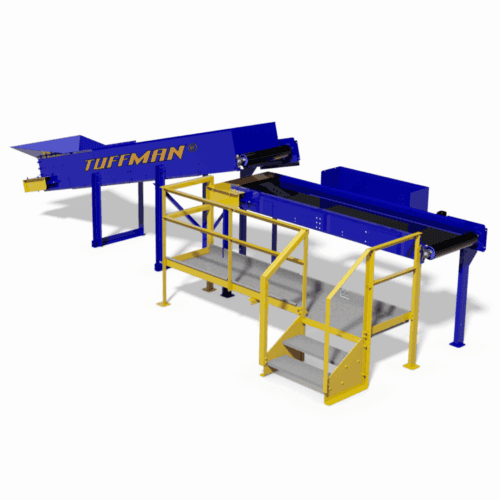
Sorting Stations
Sorting Stations Tuffman® Sorting Stations are available in various sizes, including QC, 3-Bin, 4-Bin, 6-bin, 8-bin, and 12-bin models, and...
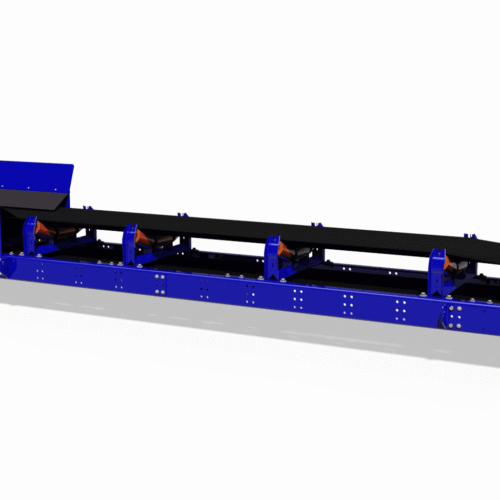
Troughing Conveyors
Troughing Conveyors Troughing conveyors are heavy-duty and designed to efficiently move bulk materials. These conveyors are built to manage heavy...
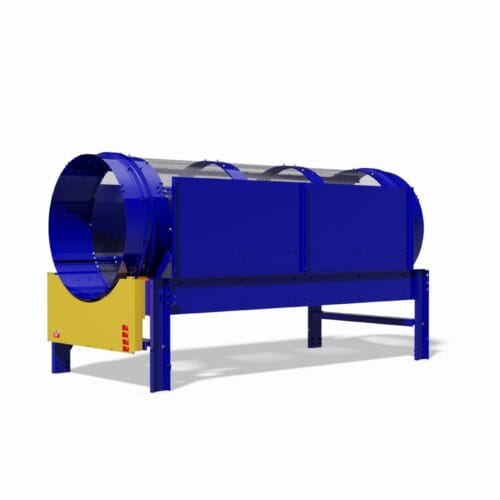
Rotary Trommel Screen
Tuffman® Rotary Trommel Tuffman® Rotary Trommel Screen provides proper and consistent size separation and classification. Utilizing a Trommel Screen can...
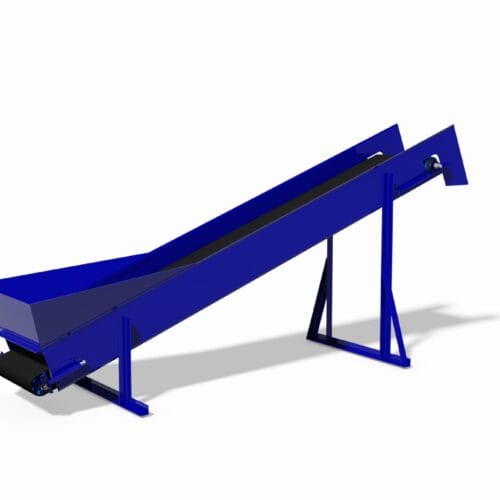
Inclined Belt Conveyors
Inclined Belt Conveyors Tuffman® offers regular and heavy-duty inclined belt conveyors. These conveyors can be added to the infeed conveyor...
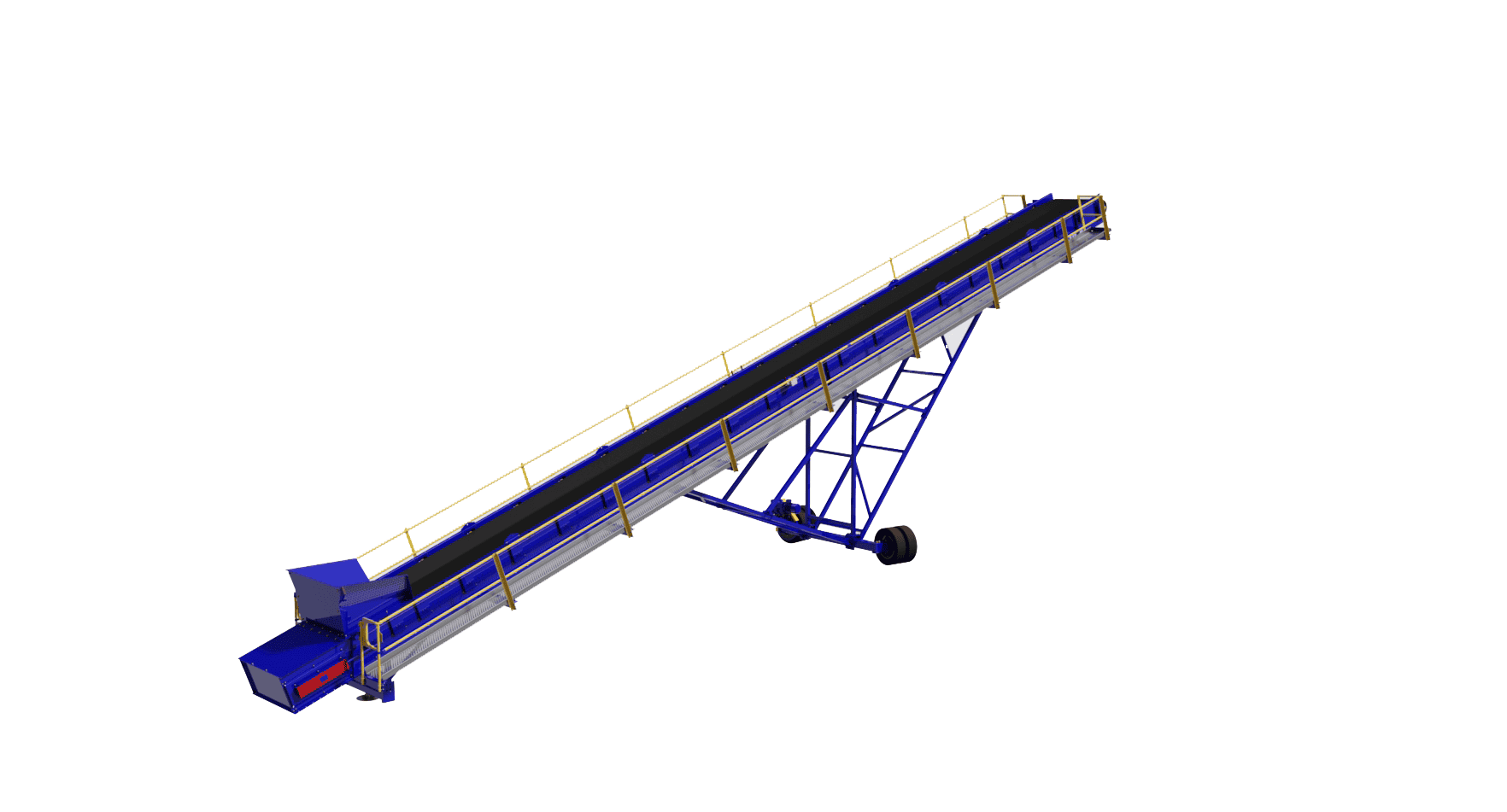
Stacker Belt Conveyors
Stacker Belt Conveyor Tuffman® Stacker Belt Conveyors are a heavy-duty solution built to transport bulk materials efficiently for loading, stockpiling,...
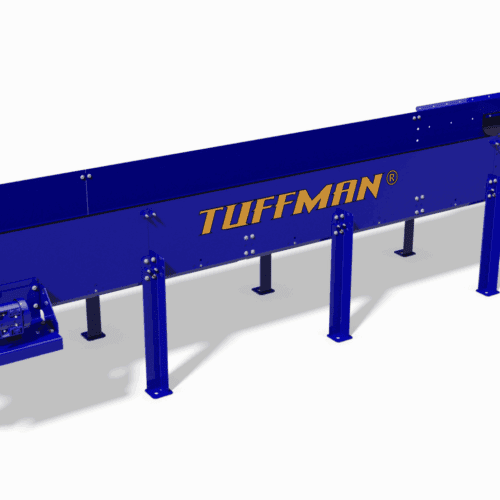
Horizontal Slider Conveyors
Horizontal Slider Conveyors Horizontal slider bed conveyors accommodate any job in your facility. These conveyors can easily aid assembly and...
What is Hemp?
Hemp is a booming industry in the United States. Industrial hemp, which is non-psychoactive, refers to the parts of the cannabis plant that are grown and processed specifically for industrial use. The appearance of hemp in medicinal products, skincare and beauty products, oil and vitamin supplements, building materials, biofuel, and even pet products is expanding in popularity.
Uses of Industrial Hemp
Hemp is quickly becoming a go-to resource across multiple industries, thanks to its versatility and natural benefits. It’s increasingly used in medicinal products, skincare, and beauty items due to its soothing and nourishing properties. Beyond personal care, hemp is also gaining traction in oil, vitamin supplements, and even in innovative areas such as building materials, biofuels, and pet products. As awareness grows, hemp’s role in these diverse applications continues to expand, cementing its place as a sustainable and valuable industrial material.
With a rise in hemp products, the need for hemp processing plants to supply the demand is ever-growing. However, hemp is fragile, so processing it can be difficult to manage without the right equipment. Here at Tuffman, our products help hemp farmers and manufacturers maximize their cannabis and hemp processing capabilities through our variety of high-quality hemp processing equipment solutions. Below, we’ll walk through the critical aspects of hemp processing and how Tuffman equipment will help.
What Is Hemp Processing?
Hemp processing is the process of preparing a hemp product for sale to distributors. Hemp processing for hemp fibers involves trimming the buds from the stalks, drying retted fiber, and curing the plant to ensure top results from a given hemp harvest. Hemp processing also preserves the seeds and stalks of hemp plants for use in various applications.
Hemp Processing for Hemp Fibers
Trimming
The first step of hemp processing is trimming the hemp plant. When the plant is ready to harvest, farmers need to carefully trim it to preserve the buds. The goal in trimming hemp plants is to cut away the stalks from the top of the plant where the buds are contained, while keeping the buds clean and intact. The buds contain the most valuable part of the hemp plant and are especially important if the goal is to extract CBD. However, the buds are incredibly fragile and can be easily crushed during trimming if not handled carefully.
Drying
After the hemp is trimmed, it should be removed to a drying facility immediately, where it may take up to a week to dry properly. Each step of the hemp processing system is important, but this step is especially crucial. If done incorrectly, the drying phase can ruin the product entirely.
The retted fibers in hemp buds need to be dried to 10-15% moisture to be usable. If the buds have too much moisture, they easily mold, and if they don’t have enough moisture, they are useless. To dry hemp buds correctly, ventilation, temperature, and humidity controls are a must.
One important part of drying hemp buds is sorting by size, using equipment like trommel screens. Because of the different sizes of each hemp plant in a harvest, some will take longer to dry than others. Sorting the plants by size before laying the buds to dry lets you easily remove the ones that are already dry and keep the ones that still need a few days to dry properly.
To dry properly, it’s important to place the buds in a room that is kept below 75 degrees Fahrenheit and where humidity can be controlled through ventilation. Ventilation helps to remove the wet air from around the bud and replace it with dry air. This process prevents the flower from browning and helps preserve its taste.
Curing
Hemp plants should be dried until the remaining stalk can easily snap in half. Curing can be done manually or with equipment to remove the last bits of moisture from the buds while keeping the bud’s original shape and color.
Hemp Processing for Seeds and Stalks
Stalks
After the bud is properly trimmed from the stalk, the stalk is also able to be used in manufacturing. Stalks need to be cleaned and dried, just like the buds, though the process isn’t as temperamental. After going through the retting process, stalks can be turned into fibers, cords, or cloths, or fermented into ethanol or biofuel.
Seeds
Hemp seeds can burst easily and are therefore very delicate. Seeds also undergo a drying phase before further processing. After a seed is dried, it is cleaned or dehulled to remove the residual material and the seed’s outer skin. Dehulling machines are useful in removing the outer shell from the hemp seeds. Gentle conveyors, such as Tuffman Belt Conveyors, can help move seeds from one phase to another, preventing fragile seeds from bursting.