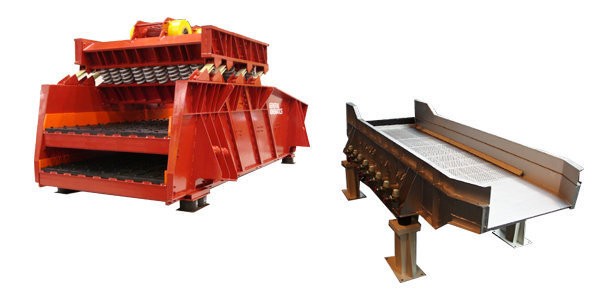

A leader in separation technology, General Kinematics vibratory screens are used worldwide across a wide variety of industries. From the separation of heavy ores, molten hot castings, and sand to paper products and everything in between. GK has made waves in the processing equipment industry with Two-Mass technology. Two-Mass technology has been revolutionary in handling load surges, increasing material retention times, and prolonging the life of vibratory equipment by years and sometimes decades. GK equipment is designed to be low-maintenance and improve worker safety. Find the perfect vibrating screen for your application today!
Foundry and metalcasting screens and shakeouts
Vibrating screens and shakeouts are essential tools in industrial foundry settings where precise material separation and efficient casting processes are crucial. They are particularly vital in large-scale production facilities, where meticulous removal of sand, cores, and contaminants from castings is necessary. These specialized solutions streamline operations, enhance productivity, and ensure product quality by removing unwanted materials and effectively separating castings from molding sand. In foundry applications requiring intricate detail and strict quality standards, companies can benefit greatly from these tailored solutions, resulting in seamless production processes and superior end products.
Find the perfect vibratory screen for your foundry or metalcasting process.


Recycling Screens
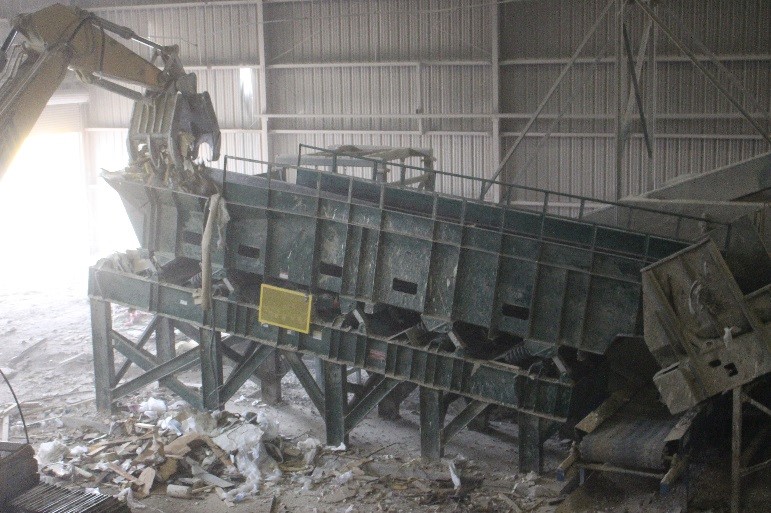
Recycling screens are essential tools in waste management and recycling plants. They play a crucial role in sorting materials like plastics, glass, metals, and paper, improving recycling efficiency. In places that need to sort large volumes of mixed recyclables to recover valuable materials, these screens offer a cost-effective, eco-friendly solution. GK’s FINGER-SCREEN™ family features custom modular finger screen decks with more open area to sort materials more effectively and simplify maintenance. By automating sorting and improving material recovery rates, they optimize resource use, reduce costs, and improve profitability. Industries and municipalities focused on improving recycling efficiency rely on recycling screens to meet sustainability goals.
Find the perfect vibratory screen for your recycling process.


Mining Screens
Mining vibrating screens are essential to mineral extraction operations. They classify, separate, dewater, and size mined materials, from coal and ores to aggregates and minerals, ensuring that the material meets the rigorous quality demands of the industry. In environments processing large quantities of raw materials, mining screens offer unparalleled efficiency by precisely sorting particles by size and composition. In open-pit mines, quarries, and mineral processing plants, where material quality and throughput are crucial, these heavy-duty screens ensure optimal production rates and product quality. Vibratory screeners in mining boost productivity and profitability by streamlining processing workflows to deliver consistent, high-quality outputs.
Find the perfect vibratory screen for your mining or aggregate process.


Bulk Processing Screens
Bulk processing screens are essential in industries handling large volumes of granular or powdered materials, such as food processing, pharmaceuticals, and chemical manufacturing. They enable efficient separation, classification, and sorting of bulk materials, ensuring uniform particle-size distribution and product quality. In scenarios where high throughput and precision screening are paramount, bulk processing screens excel, optimizing production efficiency and minimizing material wastage. Industries dealing with bulk materials, whether for production, refinement, or packaging, benefit from these screens to meet stringent quality standards, enhance process reliability, and improve overall operational efficiency. Bulk processing screens are indispensable tools for streamlining bulk material handling processes and ensuring optimal product outcomes.
Find the perfect vibratory screen for your bulk processing system.


Wood Processing Screens
Wood processing screens are indispensable in wood processing and manufacturing industries, including sawmills, wood mills, and woodworking facilities. They are crucial for sorting, grading, and refining wood materials, ensuring consistency in size and quality for downstream processes such as lumber production, wood pulp manufacturing, and wood pellet production. In environments that process logs, lumber, or wood chips, wood processing screens optimize material utilization, reduce waste, and enhance product quality. Particularly in facilities handling diverse wood species and sizes, these screens offer versatility and precision, enabling efficient processing and maximized resource utilization in the wood industry.
Find the perfect vibratory screen for your wood processing system.


Screen Components
GK Parts carries replacement parts for vibrating screens, in stock and ready to ship. Whether you need springs, a screen deck, screening media, or a vibratory motor, The GK Parts team can get you the right component at the right time; GK has your back.


Frequently asked questions
Vibrating screens sort materials by size using vibratory action. Smaller material falls through the screen mesh/fingers, separating oversize material from fines.
General Kinematics’ vibrating screens use a Two-Mass vibratory design in which an exciter mass, or drive, mobilizes a secondary trough body mass. Two-Mass creates a responsive sub-resonant system that handles material load surges without reducing screening efficiency or overall throughput.
By eliminating high-wear components like drive belts, oversized motors, and heavy bearings, Two-Mass equipment significantly lowers operating costs and reduces ongoing maintenance requirements.
In screening operations, a feeder, primary crusher, or conveyor feeds material to the screen. Then, the screen vibrates, activating and moving the material over the screen deck—usually a finger deck or mesh screen. Some screens, such as the aggregate screen, feature multiple levels for finer processing.
Although GK is known for two-mass screening, GK employs world-class experts in all kinds of vibratory and rotary screening. We know one size does not fit all in screening applications, and in some cases, direct-drive or even non-vibratory screens are the best fit. GK offers both options and works with customers to find the best fit.
Screen blinding and pegging reduce the open screening area and can reduce screening efficiency or even cause costly downtime if they build up. Well-designed screens are built for their specific application, provide consistent feed rates, offer good material retention, and use screen media or decks designed to handle the material you’re processing.
For example, in recycling operations, the GK finger deck uses a tapered finger design with unique cam-out surfaces and staggered positions to help prevent material bypass and plugging, trapping, and pegging.
- Material Condition: How wet/sticky is the material? What condition is it in when it’s screened? Does it include trapping hazards like pokers?
- Capacity: Volume of material, tons per hour (tph) processed
- Over/Half Size Material: How much material should go over the deck vs what percentage of material should be passing through screen openings.
- Weight: Material density
- Horizontal: Horizontal screens classify finer aggregate materials with high precision and accuracy.
- Incline: Incline screens use gravity to process aggregate materials, allowing them to process more material than horizontal aggregate screens.
- FINGER-SCREEN™ Family: Designed for even the most difficult recycling applications, GK’s finger decks effectively handle high-impact materials, reducing jamming and ensuring continuous, efficient operation.
- Grizzly Screens: Separate larger rocks and boulders from smaller ones, protecting downstream crushing equipment.
- Trommel/Rotary Screens: A non-vibratory option, rotating cylindrical screens and trommels that separate material by particle size. Particularly useful for compost, hemp, and topsoil applications.
- DE-STONER® Air Classifier: Though not a conventional screen, GK density separators separate and classify differing materials using a combination of air and vibration.
- Rod Deck Screens: Use reduced surface area to better screen wet and sticky materials than other vibratory screens, preventing sticking and blinding.
- Dewatering Screens: Remove excess water and moisture from materials for further processing. Especially useful in aggregate and mining applications.
- Direct Drive Screens: Feature fewer moving parts and are a more cost-effective option for smaller or more budget-conscious operations.
For aggregate and mining applications, GK offers single-deck, double-deck, and multi-deck configurations to achieve precise particle-size distributions.
Contact GK
If you need help choosing the perfect vibratory screen for your application, the GK team is here to help. Contact us today, and one of our experts can walk you through choosing the perfect vibrating screen or shakeout for your application. We can run tests with your materials in our on-site laboratory to help with sizing and more!
Related Articles
-

Press Release: Game Changing Technology for Resource Recovery
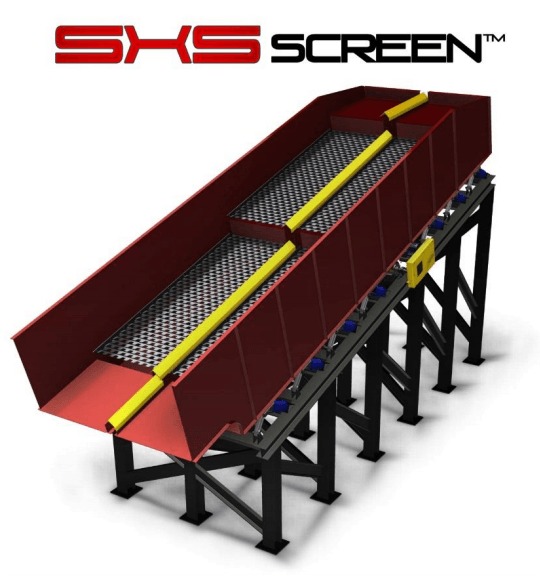
General Kinematics announces a new game changing technology for resource recovery. General Kinematics screens have been a staple for many recycling companies around the world. The newly engineered SXS SCREEN™ is the first of its kind in the industry. A side by side screen, this unit is engineered to move less dense, soft materials that…
-

Case Study: A Better Unit…
Challenge A northern Midwest recycling company needed to improve their initial screening at their transfer station. The unit they had in service was proving very costly in spare parts and down time, and the efficiency of the screening was low. The end user at the landfill also had complaints that too much large material was…
-

Vibrating Two-Mass Screens for Mining / Minerals / Ore Recovery
General Kinematics Two-Mass Screens are unequalled in efficiency and performance. GK’s proven two-mass drive system reduces electrical consumption and increases screening efficiency over traditional direct drive (brute force) designs. Dual in-board vibratory motors eliminate expensive belts, shafts, and bearings for increased uptime, longer service intervals, and the lowest cost of ownership available in a vibratory…
-

Case Study: STM Vibrating Screens
Challenge Customer wanted to replace an existing vibrating screen due to frequent mechanical failure issues. Existing screen technology utilized the traditional brute force drive with large shafts, bearings, and motors. In the application, brute force screen technology typically had a useable life of around 1 year before mechanical failure occurred. The new screen needed to…