Apron Conveyor
Cyrus Equipment
Cyrus Equipment
-
 Circular motion vibrating screen
-
Crusher Pre-Separation Screen
-
Cyrus Casting Cooling Conveyors
-
FlipWave™ Flip Flow Screen
-
Hydraulic lifting / tilting device
-
Mobile charging machine
-
Vibrating trough feeder with unbalanced motor
-
Vibratory Bowl Feeder
-
Vibratory Feeding Conveyors for Size Reduction
-
Cyrus Vibrating Trough Conveyor
-
Vibrating Trough Conveyor
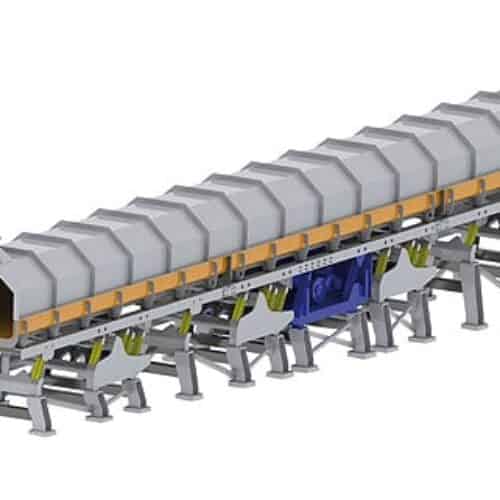
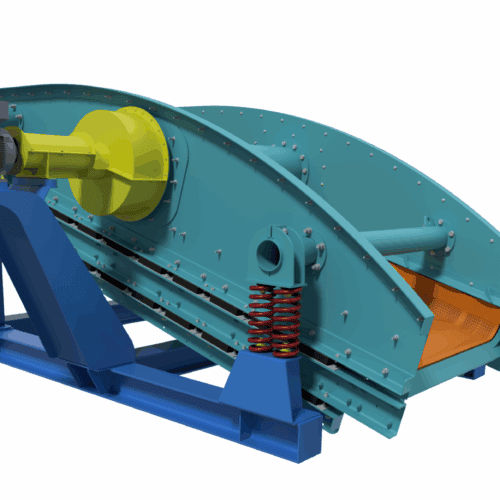
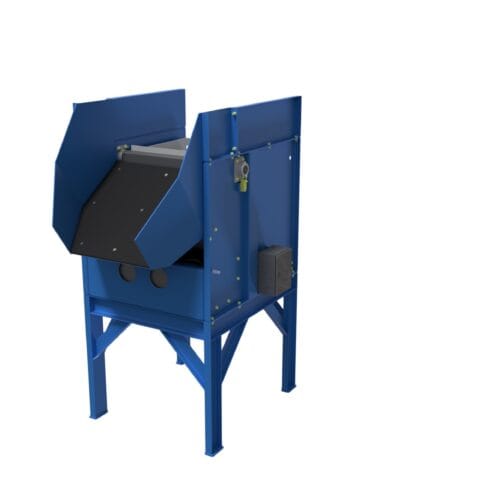
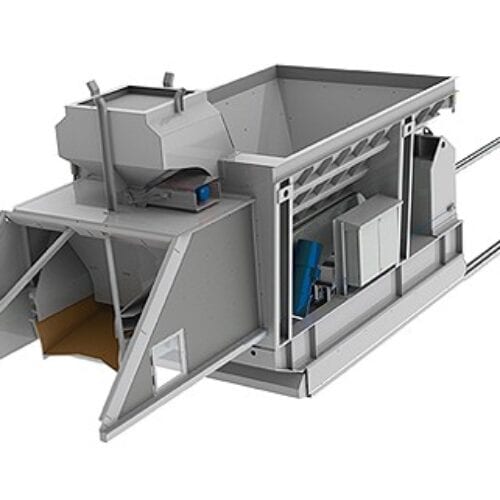
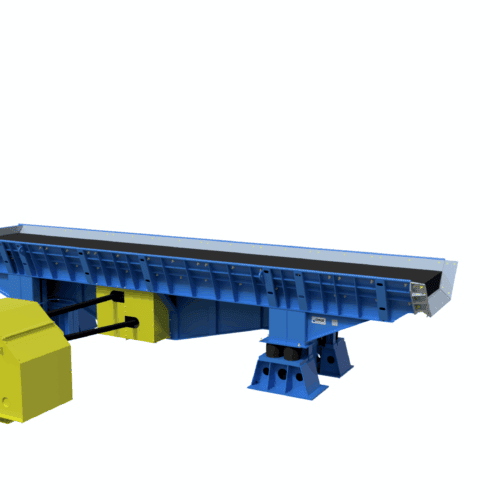
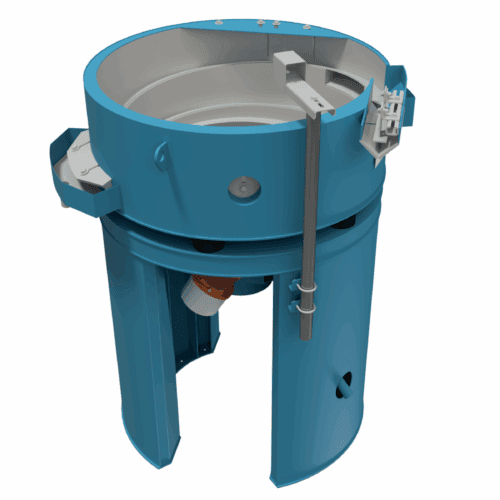
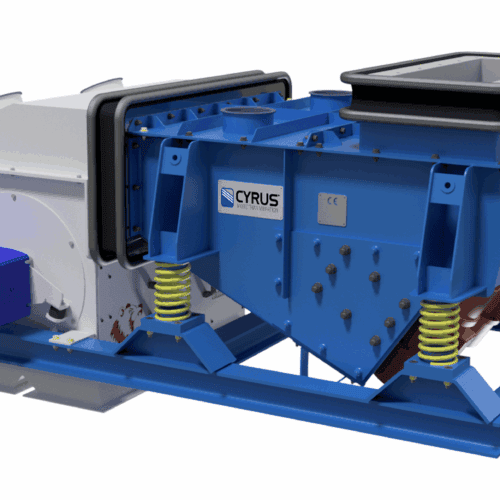
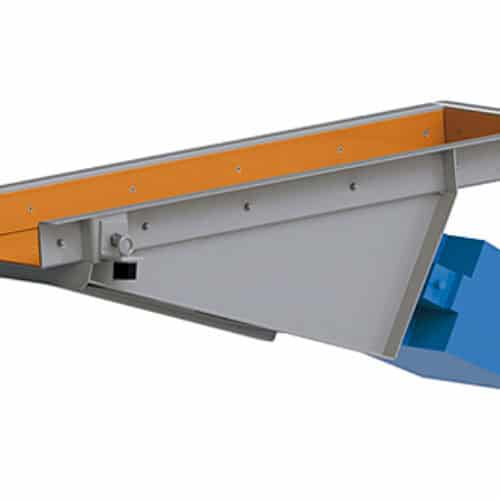
Vibratory Conveyors


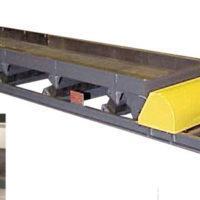
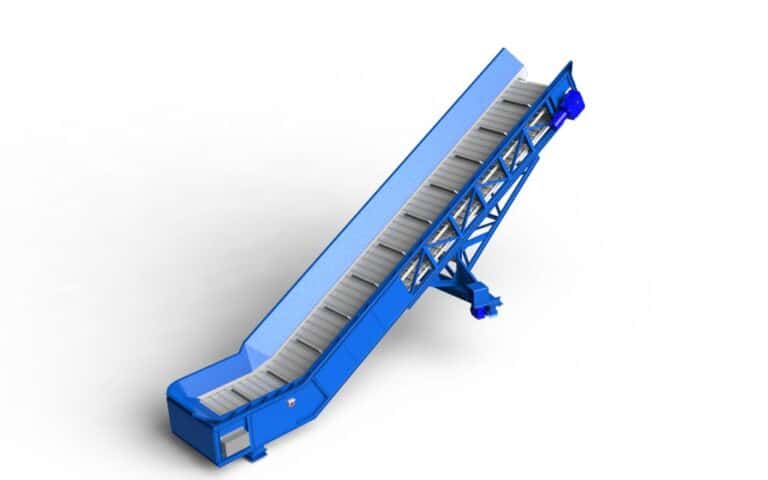
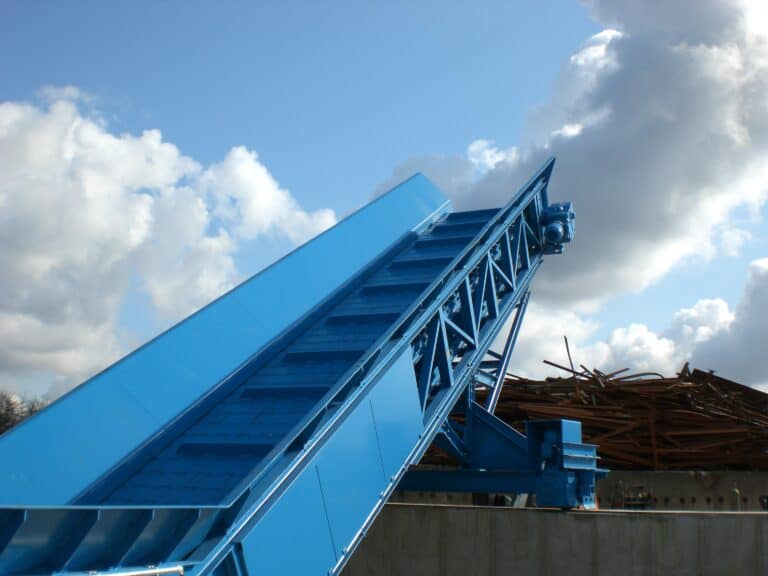
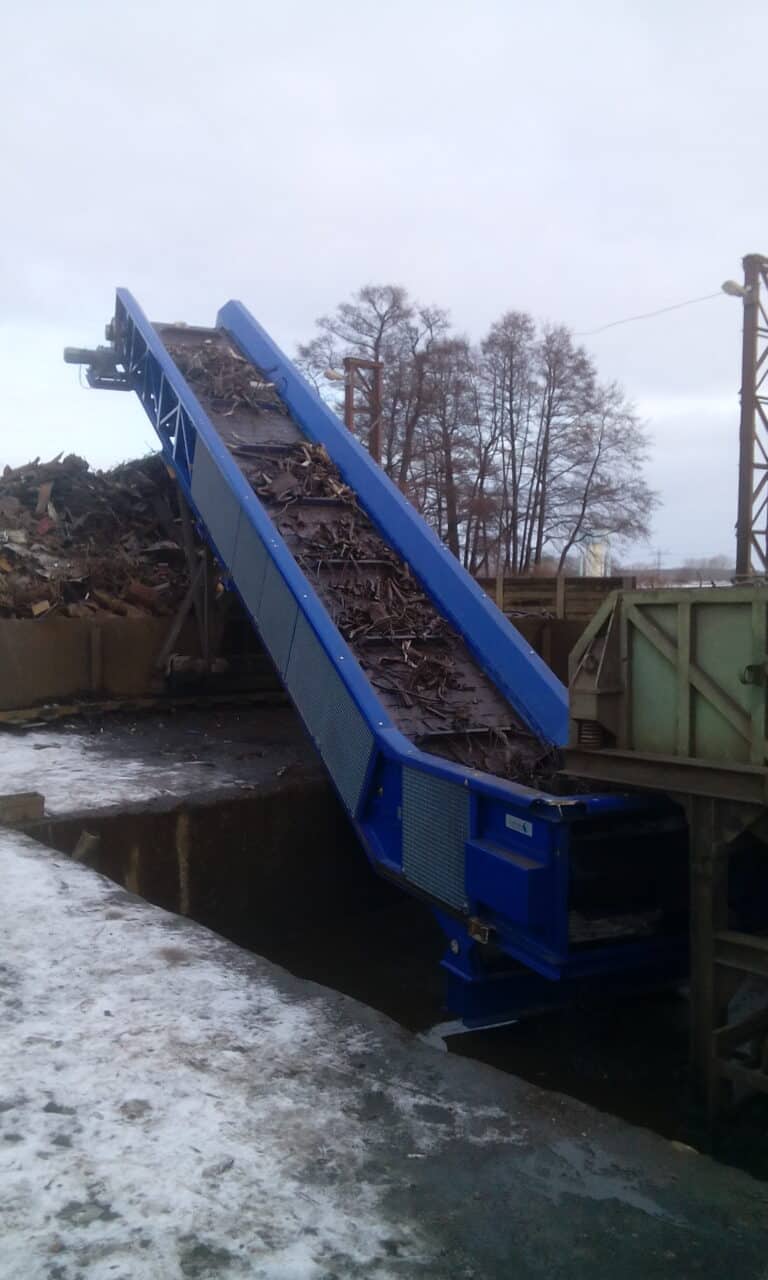
Steel Plate Conveyor
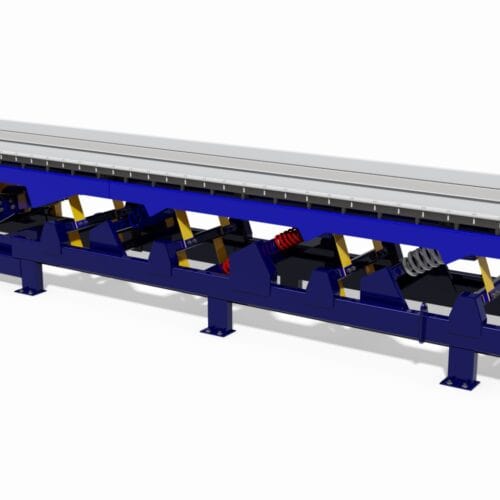
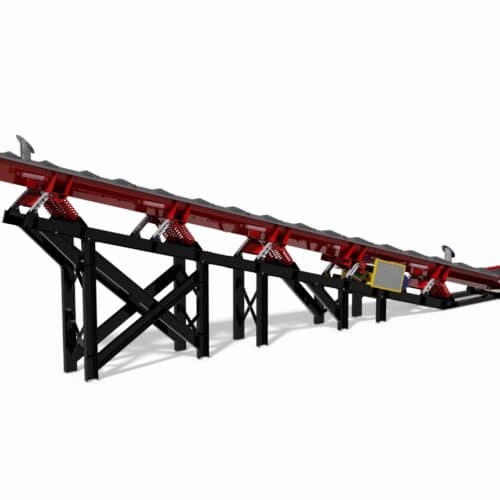
Cyrus apron conveyors are designed to convey large and heavy materials. The heavy duty design is perfect for elevating and transporting hot castings and other materials that cannot be handled by rubber belt conveyors.
GK Cyrus custom-builds heavy-duty steel plate apron conveyors for industries such as recycling, foundry, forging, and more. They’re lower in noise than our competitors and have a long service life. If you’d like to learn more, contact us today, and one of our experts will assist you in building the perfect steel plate conveyor for your business.
- FEATURES
- BENEFITS
- TECHNICAL INFO
- APPLICATIONS
- FAQ
FEATURES
- Low noise
- Long service life
- Low maintenance costs
BENEFITS
Apron Conveyors are durable and capable of handling tougher jobs with less wear and tear. Because the chains that move the conveyor are kept safe under the metal plates, the machine can endure long periods without maintenance. This leads to longer run times, reduced maintenance costs, and greater productivity.
If an apron conveyor does break, they are easier than others to perform maintenance on. For example, if one of the plates cracks, it can simply be replaced rather than replacing the whole conveyor.
Apron conveyors offer a steady, reliable feed rate. They are perfect for operations where an accurate feed rate is necessary.
Technical INfo
PB 1.200 x 6.000
Technical Data:
Width: 1.200 mm
Length: 6.000 mm
Performance: rotatable
Other: scrap yard execution
APPLICATIONS
- Recycling industry
- Foundry industry
- Forging industry
- Aggregate industry
FAQ
What is an Apron Conveyor?
Apron conveyors are a type of conveyor used to move larger or heavier materials such as ore. These heavy-duty conveyors are linked using metal plates, typically made from steel and connected by chains. These plates overlap with one another to create a “belt” that moves materials from one location to another. They can move material at an incline or horizontally.
Apron conveyors can be used in a wide variety of industries. They are often used in foundry and mining applications due to their strength, heat resistance, and durability. They are also used by recycling facilities to move scrap of all sorts. Finally, these conveyors can move loose materials such as sand or grains.
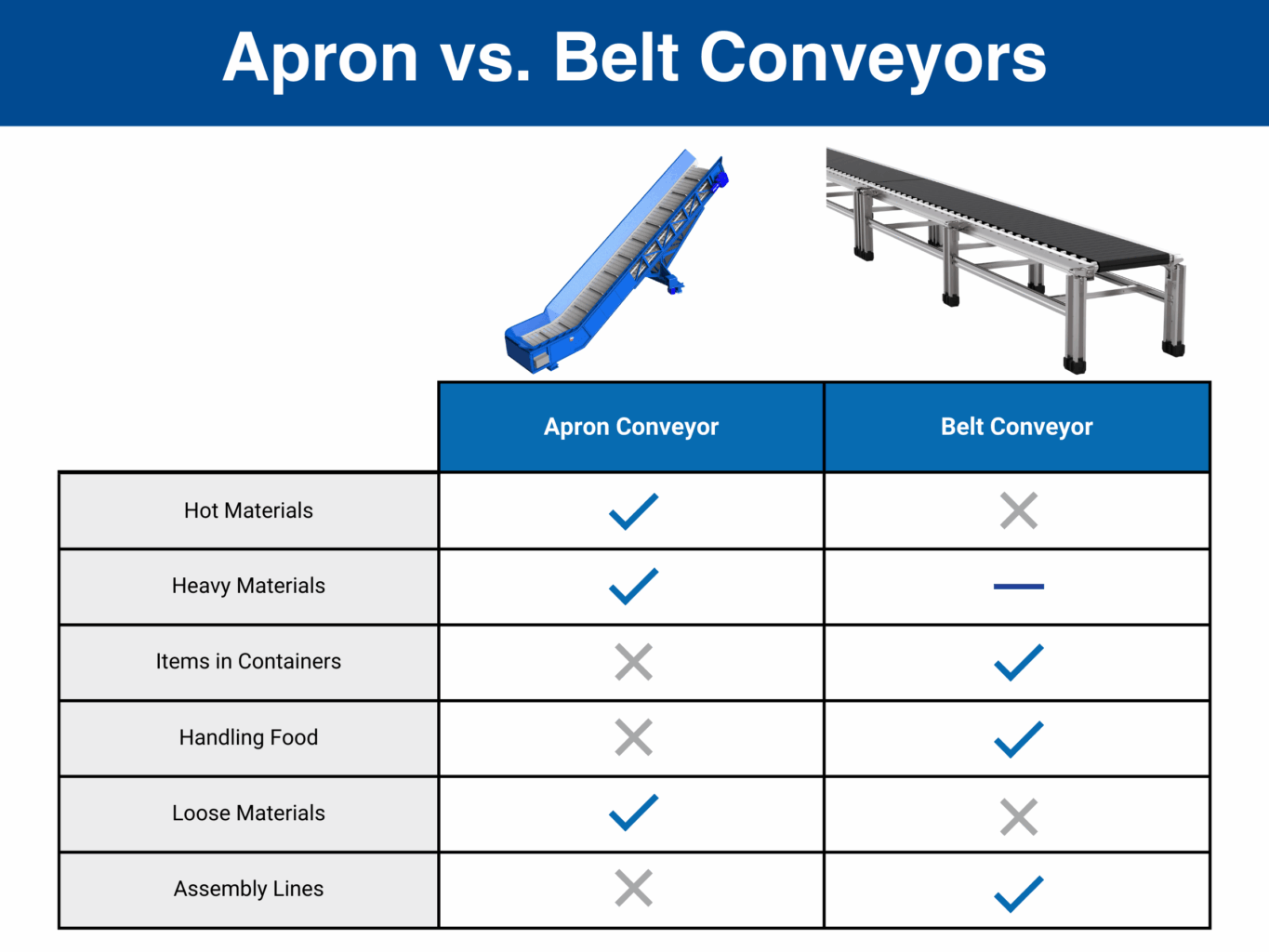
Apron Conveyors or Belt Conveyors?
Both types of conveyors are designed to move materials in bulk. However, they have different applications due to their respective builds. Depending on what kind of jobs you’re working on, one will be more valuable than the other.
Apron conveyors are best for:
- Heavy materials
- Loose materials (gravel, sand)
- Hot materials that would melt rubber (hot castings)
- Moving items upwards
- Wet materials
Belt conveyors are best for:
- Items within containers
- Items that need to be moved quickly or over longer distances
- Inspecting products
- Assembly lines
- Handling food
- Faster movement of materials