

Are you getting the highest possible returns on your nonferrous scrap packages? In nonferrous metal recycling operations, the gross weight you load into a box rarely matches the pay weight you get from the consumer. Contaminants such as dirt, fine debris, and coatings add volume to your scrap shipments but offer zero value to mills—and can even contaminate the end product with dross on returns—resulting in downgrades and rejected loads.
When buyers heat your scrap, organic material burns off or volatilizes, leaving behind ash that contributes to furnace waste, while nonmetallic contaminants such as sand and debris merge with oxides to form dross. To the foundries and mills buying your material, dross means a lower melt yield. If you’re known for shipping dirty loads that kill a consumer’s melt yield, your price will reflect it.
Polishing and cleaning nonferrous scrap metal before melting removes contaminants, reduces the chances of oxidation and surface damage, and increases your buyer’s melt yields. Before you load out your next box, it pays to make sure your metal is clean.
What are the Benefits of Scrap Polishing?
Nonferrous metals, like copper or aluminum, oxidize over time if the polishing and melting process takes too long—especially in hot, humid, or dirty environments. After shredding, metal surface condition can vary greatly, so any surface contaminant, such as dirt or oxidation, results in dross and slag in a mill’s output. With proper polishing equipment, such as a polishing drum, you can clean and polish large quantities of metal in a short period.
Polished, clean metal looks more aesthetically pleasing, making it more appealing to buyers and increasing your premium. Removing dirt and debris lowers freight costs, too; no need to waste money shipping literal garbage across the country. Finally, your buyers get a faster, cleaner melt that reduces pesky dockage and melt-loss downgrades on your invoice.
Cleaning Methods
After shredding, cleaning and polishing metals help streamline the rest of your process, increase commodity value, and reduce waste. This is typically done with specialized equipment or chemical treatment. Primary methods include:
Mechanical cleaning techniques for shaking off loose soil, coatings, and corrosion without needing water or harsh chemicals. These include rotary metal polishers, vibratory screening, abrasive polishing, and air separation. With rotary and vibratory techniques, metal-on-metal tumbling or friction knocks off oxidation and dirt without adding moisture.
Washing and degreasing methods are especially effective for removing mud, grease, and machining fluids. Techniques include spray washing, detergent/alkaline washing, and solvent degreasing. The main drawback is that the metal must be completely dry before shipping; moisture in furnaces is an explosion hazard.
Thermal pre-treatment burns off organics and coatings. This technique is excellent for painted or lacquered aluminum, such as UBCs (used beverage cans) or auto shred aluminum, which has heavy paints, lacquers, and oils. Decoating, thermal de-oiling, and pyrolytic treatment are common methods.
Zorba and Twitch
Zorba is mixed, high-aluminum-content nonferrous scrap metal. Zorba is primarily aluminum, with other non-ferrous metals (such as copper, zinc, etc.) mixed in. Because it is a mixed metal, it requires further downstream processing and refining to separate the aluminum from the other metals and contaminants.
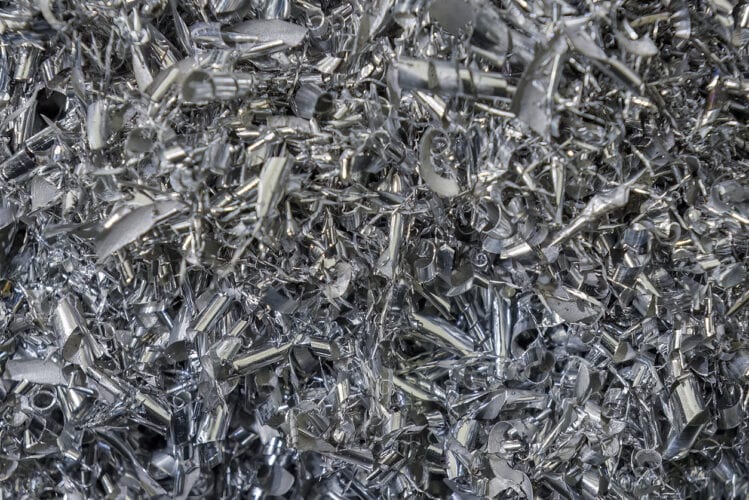
Zorba is worth less than pure aluminum scrap because it needs additional cleaning and processing. However, with the right equipment, like a polishing drum, aluminum zorba scrap can be further refined into high-quality secondary aluminum—such as twitch or aluminum alloys—which is cheaper and more energy efficient than virgin aluminum mining and worth more to your buyers.
Know the ROI/demand
Uncleaned, mixed scrap melt is worth less than properly cleaned and sorted scrap metal. Therefore, before melting, it’s ideal to separate your nonferrous metals—usually using sorting equipment such as a screen or density separator.
If you need to store polished scrap metal short- or long-term to sell when prices are higher, it’s significantly less prone to oxidation and corrosion than unpolished scrap. Because the dirt, salts, and moisture-trapping debris have been removed, the clean metal can be stored longer without degrading before it’s ready to sell.
Increase Melt Yield with General Kinematics
General Kinematics’ scrap polishing equipment, such as the Scrap Metal Polishing Drum, and turnkey scrap recycling systems are designed to maximize your material returns and uptime. Whether you need a new solution or want to optimize your current process, contact GK today to get started!