

Overview: What is a Vibratory Screen?
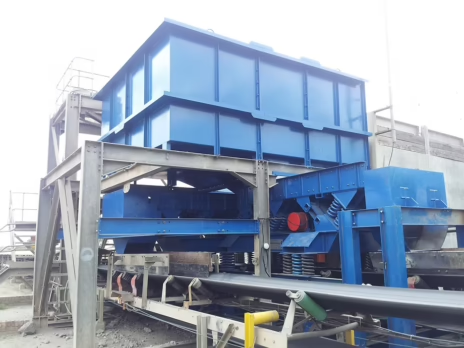
Vibratory screens primarily sort materials by size and shape using a combination of vibratory action and a screening deck. When combined with air streams, they can also sort by weight or density. Vibratory action moves materials over a screen deck, allowing them to fall through openings for sorting. Vibration improves the effectiveness of screening. Because screen deck and motor materials and sizes are so flexible, industries like mining, aggregates, recycling, and more use vibrating screens.
How Vibratory Screens Separate Materials
Materials are first fed to the vibratory screen from the top, often via a conveyor, crusher, hopper, or feeder, depending on the application. Once fed to the top screen deck, vibratory action activates the materials, moving them evenly down the screen deck. As these materials stratify, larger materials (often called overs or oversize material) move over the screen surface and discharge out the spout end, while smaller materials (often called fines or undersize material) move toward the bottom and fall through the screen openings.
Screen incline and drive type can both influence how material is screened. For certain applications, the screen may be set at an incline to use gravity to help high volumes of heavy or thick materials travel down the screen deck faster, while vibration keeps them moving and in contact with the surface. Additionally, some screens have more than one deck, so the process repeats at each level, resulting in finer screening.
Screening Applications
Vibratory screens separate materials in a variety of industries and applications.
Foundry: Foundries use vibratory screens to remove sand, cores, and contaminants from castings.
Recycling: Screens are essential to recycling operations. Material recovery industries using vibratory recycling screens include single-stream, C&D, scrap metal, glass, waste-to-energy, e-waste, and more. GK’s FINGER-SCREEN™ vibratory screens use specialized finger decks with greater open areas to screen more effectively. Tapered finger decks are designed to prevent plugging, trapping, and pegging.
Mining: In mining operations, vibrating screens classify, separate, dewater, and size mined materials. These include ore, coal, crushed rocks, mineral concentrates, and more. Mining screens are heavier-duty than other screens to handle harsh environments.
Aggregate: Aggregate screens, like mining screens, handle aggregates. However, aggregate screens use fine-tuned designs for more specific applications, such as sticky or wet materials, which are more common in the aggregate industry. For example, aggregate screens may be inclined or have multiple screen decks for more precise screening. Screening media is sized for the application, using different surface materials and hole sizes for things like crushed stone versus sand or recycled asphalt.
Vibratory Screen Designs and Types
Although all screens sort material by size, dozens of screen types exist. For example, in recycling applications, flip-flow screens like the Bivi-TEC® are designed to screen materials more likely to clog, such as ash, clay, or compost. Meanwhile, the FINGER-SCREEN™ family excels in recycling applications where items like plastic bags or pokers would normally cause jams.
The DE-STONER® utilizes vibratory action and air fluidization to stratify material by density. By passing this stratified mix through a controlled air stream and over an adjustable landing plate, the system efficiently separates heavy debris and ultra-light contaminants from the target product.
Aggregate screens come in a variety of designs because of the harsh nature of the aggregate industry. Single-deck, multiple-deck, and inclined designs are utilized depending on how rigorously the materials need to be screened. Additionally, mobile screens are deployed when a screen needs to move to different locations, making them a highly flexible solution. Grizzly screens are also used in aggregate and mining applications where wire screens fumble.
Deck Types
Depending on your application, screens use different deck designs. The FINGER-SCREEN™, for example, offers several finger deck designs tailored to specific recycling applications.
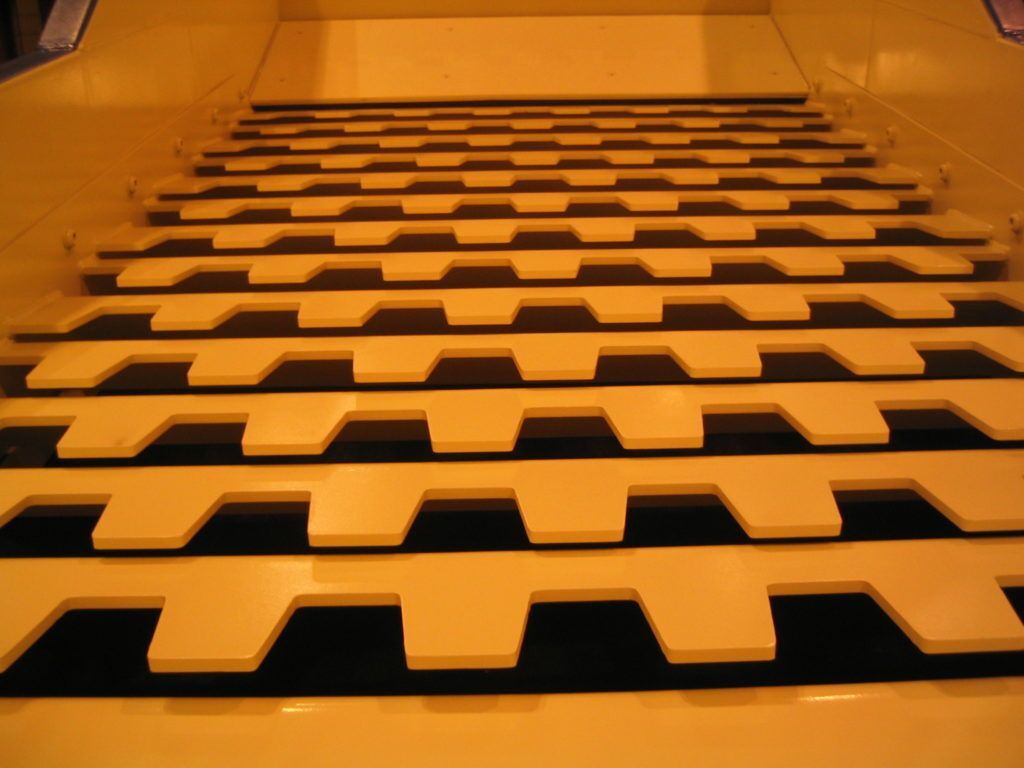
Finger Deck: Ideal for concentrated metals stream for ferrous or mixed metals, zorbas, and meatballs.
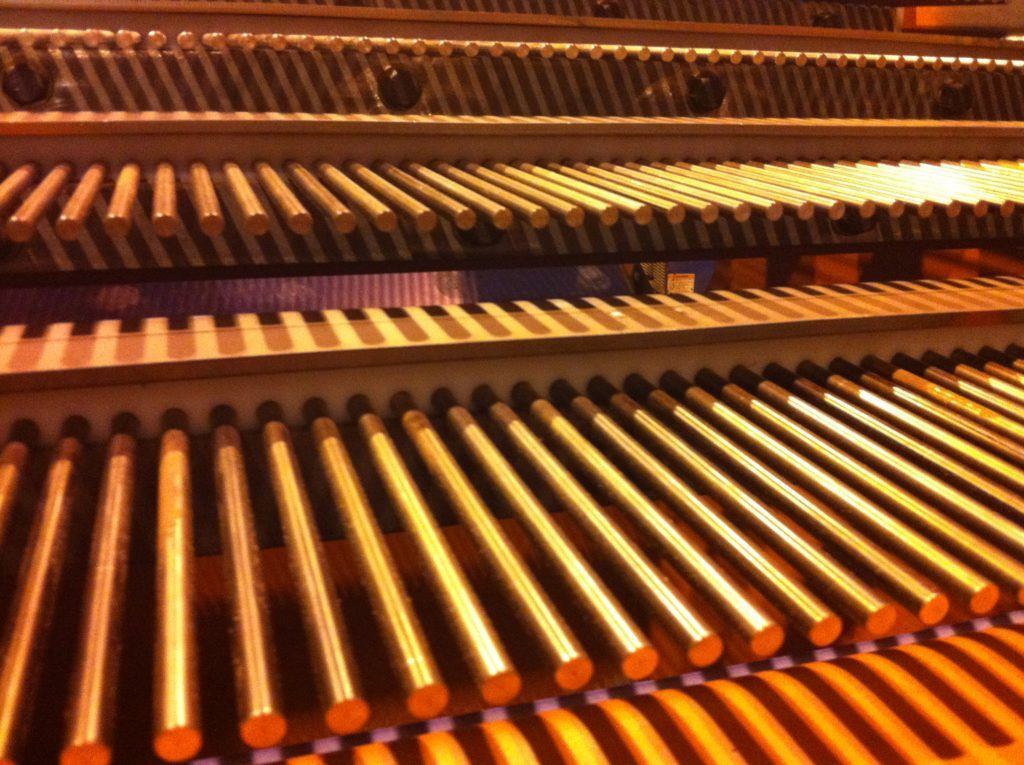
Rod Deck: For non-ferrous or ASR fines removal.
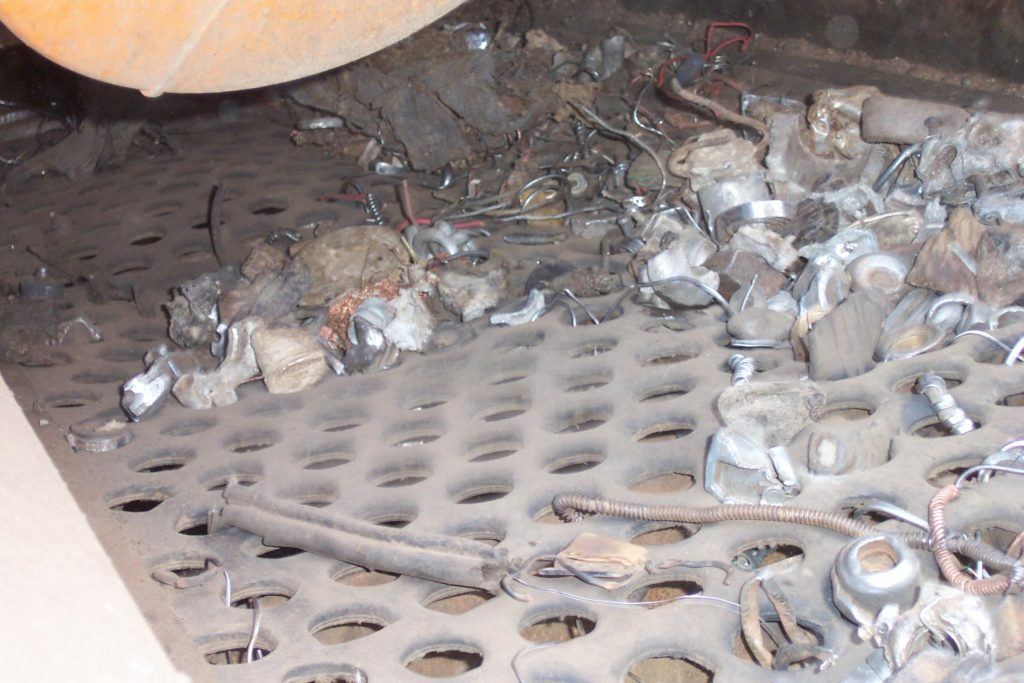
Punch Plate: For mixed metals and stampings.
Screen media for mining and aggregate screens is highly customizable. Designed to handle different materials, sizes, and consistencies, they come in polyurethane and rubber. They offer slot, rounded, or square openings, with 20-45% open area depending on the application. Opening sizes range from 0.1 mm to 4.0”.
Screen Motion
The motion pattern of a vibratory screen plays a significant role in how materials travel down the deck and separate. Depending on the material and application, different drive setups create distinct types of motion:
Linear Motion: Typically created by paired counter-rotating motors or shafts, linear motion propels material in a direct, straight-line path. This setup is ideal for high-capacity handling and horizontal or slightly inclined screening applications.
Circular Motion: Most commonly used on inclined screens, circular motion lifts and tumbles material continuously while gravity helps carry it down the deck to promote thorough stratification.
Elliptical Motion: Combining characteristics of both circular and linear motion, elliptical motion provides a tailored balance of throughput and screening efficiency for complex or sticky materials.
High-Frequency Motion: Utilized primarily for finer particle separation, high-frequency motion uses rapid, low-amplitude vibration to prevent blinding and effectively separate small or fine materials.
Vibratory Screen Components & Upkeep
Screen deck or screen media: Mesh, wire cloth, polyurethane panel, perforated plate, fingers, or any other surface with the openings that determine material separation size.
Drive: The motor that supplies the power for the vibrating screen.
Springs/Suspension system: Supports the screen and isolates/dampens vibration transmitted to the structure below. On Two-Mass equipment, these act as the suspension system between the exciter (drive) and the screen deck (trough).
Feed box/inlet: Distributes incoming material onto the screen deck.
Discharge chutes: Direct undersize and oversize product streams to the next stage/equipment downstream.
Vibratory screens endure a lot of punishment during operation. Regular maintenance keeps your screen operational and prevents costly unplanned downtime. Check your screen media for holes, tears, loose panels, and clogs every shift. Even one broken panel can disrupt your output or cause buildup. Inspect springs, bolts, structure, and other structural parts for cracks and looseness. Tighten loose bolts, replace worn parts, and make sure your screen operates safely.
When to Choose a Vibratory Screen vs. a Rotary Trommel
Vibrating screens are great for processing drier materials such as dry aggregates, bulky materials, and mixed materials. Vibratory screens offer higher throughput and can provide finer screening by size, especially with multiple screen decks.
Rotary trommels are ideal for wet, sticky materials such as clay, recycled fines, hemp, or compost that can clog vibratory screens. Because of the rotating, tumbling action of rotary trommels, clumps of material break down slowly over time for better screening. Rotary trommels are often considered easier to maintain in heavy-duty applications because their rotating motion subjects the machine to less structural wear and tear than the aggressive shaking of a vibratory screen.
Learn More About Vibratory Screens
General Kinematics offers a wide selection of vibrating screens for applications across several different industries. If you have any questions, contact our experts, and we’ll be happy to help you find the perfect screen tailored to your specific application.