

Processing biomass incorporates various types of materials like wood, wood pellets, grass, yard waste farm waste, and more. Because of this, biomass processing equipment is designed to handle specific processes, including vibratory screening, density separation, metering, or material drying. When the right biomass equipment is chosen, processes can be completed thoroughly and efficiently, cutting down on time and resources needed.
Avoiding Common Problems
A biomass plant that handles wood might require equipment for the following processes:
- Fuel reception and weighing
- Preparation and drying
- Separation systems
- Crushers and chippers
- Screening systems
- Storage Feeders and hoppers
- Transfer or sorting conveyors
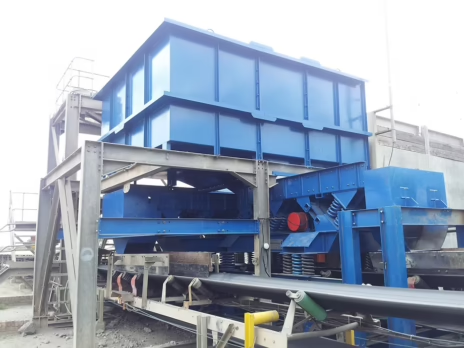
Handling biomass materials that vary in size, shape, density, and composition can be challenging. For example, separation systems that use wire mesh screens can be prone to jamming and bridging. When these problems occur, operations are interrupted and downtime must be taken to correct the issue. High-performance equipment like a vibratory separator can separate and classify materials like wood chips and mulch, avoiding problems like blinding, jamming, or trapping.
Seamless and Efficient Material Flow
Biomass equipment should complete processing tasks efficiently, but moving materials from one process to another should be efficient, too. Faulty, undersized, or unreliable conveyors or feeders can disrupt the material flow and, in turn, interrupt production.
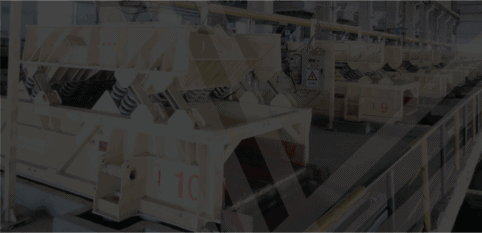
Customizable vibratory conveyors can handle the unique needs of any facility’s workload or layout. Equipment that combines multiple processes like an activator/feeder can also save time and production cost. An activator/feeder combines two vibratory feeders with one pile activator, improving flow control and avoiding problems such as bridging or off-center loading.
Density Separation Systems
Consideration should be taken using water to make a density separation such as wood mulch from glass, metals, or stones. These technologies create environmental emissions and wastewater that challenge the sustainability of the process.
Water separation poses some hazards to the environment, when a greener, more efficient process can be used. Equipment like an air classifier that uses air instead of water to separate heavy materials from light materials eliminates that threat. Not only is this system more sustainable, but it reduces the time required for cleanup with water separation equipment.
Biomass Equipment from General Kinematics
We designed our rugged and reliable biomass equipment to handle the unique demands of biomass processing. With the right biomass processing equipment, resources spent on operations are reduced, while efficiency and production are improved.
To learn more about how GK equipment can improve your Biomass process, contact us and talk to a vibratory expert today!